As Amazon Associates, we earn from qualifying purchases. This means we may receive a small commission at no extra cost to you if you click through and make a purchase.
As an Amazon Associate we earn from qualifying purchases. Links on this page are affiliate links.
This aviation headset buying guide helps you choose the right gear for your cockpit. You will learn how to evaluate key specifications like noise reduction type, connection method, and weight. These factors determine comfort and clarity during long flights. We compare eight models based strictly on their published specifications. You can decide between wireless Bluetooth options or wired reliability without guessing.
Our picks range from certified dual-plug headsets to basic communication models. You will see how active noise cancellation differs from passive isolation. The list includes lightweight stereo options and heavy-duty ANR units. Each product is selected for specific pilot needs. You can match your aircraft’s plug type and audio requirements to the right model. Read on to find a headset that fits your flight profile.
Key Specs for Aviation Headsets
Noise reduction type
You must choose between passive isolation and active noise reduction (ANR). Passive headsets like the KORE KA-1 rely on physical ear seal density to block engine roar. They require no batteries and offer immediate reliability. ANR models use electronics to cancel low-frequency noise. The Bose A30 and Lightspeed Sierra use ANR to reduce fatigue during long flights. ANR adds weight and cost but improves comfort. Check if the unit uses battery power or rechargeable cells. Passive options are lighter but less effective in high-noise jets. ANR provides better clarity for communication in turbulent conditions.
Look for
- ANR or passive isolation
- Battery type and life
Connection method
Your cockpit determines whether you need a wired plug or wireless connectivity. Most general aviation aircraft use dual-pin plugs. The Bose A30 offers dual plugs for modern avionics. Wireless headsets like the Lightspeed Sierra allow Bluetooth pairing for music and calls. Wired connections provide zero latency and no charging anxiety. Wireless models add convenience but require regular maintenance and charging. Ensure your aircraft supports the specific plug type. Some older planes may need adapters for wireless units. Verify the connection stability before relying on it for critical communication.
Look for
- Dual-pin or single-pin
- Bluetooth or wired only
Weight and fit
Comfort is critical for long flights. Heavy headsets cause neck strain. The Bose A30 weighs 14.2 ounces, which is moderate for ANR features. The David Clark H10-13S is lighter at 13.4 ounces. The Lightspeed Sierra is heavier at 1 pound due to wireless components. Look for adjustable headbands and soft ear cushions. A poor fit lets noise in and reduces microphone quality. Ensure the ear cups seal tightly around your ears. Lightweight models are better for short hops. Heavier models may offer better noise cancellation but check for pressure points.
Look for
- Weight in ounces
- Adjustable headband design
Microphone clarity
Clear transmission is vital for safety. Look for headsets with noise-canceling microphones. The David Clark H10-13.4 is noted for microphone clarity. These mics focus on your voice and reject background cockpit noise. Some models include boom mics that pivot or rotate. Ensure the mic is positioned correctly near your mouth. Poor mic placement leads to misunderstood instructions. Check if the microphone is detachable for replacement. Wired connections often provide more consistent audio quality than wireless. Verify the mic sensitivity matches your aircraft's radio requirements.
Look for
- Noise-canceling mic feature
- Boom mic adjustability
Additional features
Extra features enhance the flying experience but add complexity. The Faro G2 includes an MP3 input for entertainment. The Bose A30 supports Bluetooth for phone calls. These features are useful for cross-country trips. However, they increase the price and potential failure points. Consider if you actually need music or phone connectivity. Some pilots prefer simple, dedicated communication tools. Ensure the additional features do not interfere with radio communication. Check if the features are essential for your specific use case. Simple headsets are often more reliable in emergency situations.
Look for
- Bluetooth or MP3 input
- Simple vs. complex controls
Durability and warranty
Aviation gear faces harsh environments. Look for robust build quality. The David Clark H10-13.4 includes a five-year guarantee, indicating confidence in materials. The Faro G2 offers a three-year warranty. Longer warranties often correlate with better component quality. Check the materials used for ear cushions and headbands. Leather or synthetic leather should resist sweat and wear. Metal components should be corrosion-resistant. A durable headset saves money over time. Verify the warranty covers accidental damage if possible. Read the terms carefully to understand coverage limits.
Look for
- Warranty length and terms
- Build material quality
Types of Aviation Headsets
Bluetooth ANR Headsets
These units combine active noise reduction with wireless connectivity. The Bose A30 features dual plugs and Bluetooth for modern cockpit integration. You get clear audio and phone calls without wires. The trade-off is higher weight and battery maintenance. These models suit pilots who need certified wireless flexibility. They are heavier than passive options but offer superior electronic silence. You must charge them regularly to keep ANR active. This type fits busy, tech-forward flight environments.
Wired ANR Headsets
Wired ANR headsets provide active noise cancellation without wireless complexity. The Lightspeed Sierra offers robust wireless features, but wired ANR models like the Faro G2 prioritize reliability. You get consistent performance without battery anxiety. The Faro G2 includes MP3 inputs for entertainment. These headsets often weigh more due to internal electronics. They suit pilots who want electronic noise reduction but prefer wired stability. You avoid connection drops but accept cable management. This is a practical choice for professional or long-haul flying.
Passive Noise Isolating Headsets
Passive headsets rely on physical ear seal density to block engine noise. The KORE KA-1 offers solid isolation without batteries or electronics. You get immediate reliability and lower maintenance. These models are often lighter in terms of internal components, though the KORE weighs over two pounds. They suit pilots who value simplicity and wired connections. You sacrifice electronic silence for zero-power operation. This type is ideal for those who do not need Bluetooth or active cancellation. It is a no-frills, durable option for general aviation work calls.
Common Mistakes To Avoid
Ignoring battery maintenance for ANR models
Active noise reduction requires power. You must check if the unit uses rechargeable or disposable cells. Failure to monitor charge levels can silence your comms unexpectedly. Always keep spare batteries on hand or ensure your charging cable is packed for every flight to maintain reliability.
Overlooking cable length and routing
Cockpit layouts vary significantly. A cable that is too short may not reach your panel jack comfortably. Excessively long cables can tangle or get caught on controls. Measure your distance from the headset port to your ear before purchasing to ensure a secure and unobtrusive fit.
Assuming all plugs fit your aircraft
Aviation headsets use different connector types, such as dual-prong or single-prong configurations. Not all plugs are universal. Verify your aircraft’s audio panel specifications before buying. Using an incorrect adapter can damage the jack or result in no audio. Check compatibility details in the product specifications.
Neglecting the weight of the unit
Heavier headsets cause neck strain during long flights. ANR models often weigh more than passive ones due to internal electronics. Compare the weight specifications of different models. Choose a lighter option if you fly for extended periods to maintain comfort and reduce fatigue during your journey.
| # | Product | Best for | Price |
|---|---|---|---|
| 1 | Bose A30 Dual Plug Bluetooth Aviation Headset | pilots needing certified Bluetooth headsets with dual plugs | |
| 2 | KORE KA-1 Aviation Headset | Pilots preferring passive noise reduction and wired reliability | |
| 3 | UFQ A28 ANR Aviation Headset | pilots needing long battery life and high NRR | |
| 4 | David Clark H10-13.4 Aviation Headset | pilots prioritizing microphone clarity and comfort | |
| 5 | David Clark H10-30 Green Aviation Headset | General aviation pilots needing basic communication | |
| 6 | David Clark H10-13S Stereo Aviation Headset | Users needing stereo audio for work calls | |
| 7 | Lightspeed Sierra ANR Aviation Headset | Pilots needing wireless ANR comfort | |
| 8 | Faro G2 ANR Aviation Headset | pilots needing wired ANR with MP3 input |

Bose A30 Dual Plug Bluetooth Aviation Headset
Best for: pilots needing certified Bluetooth headsets with dual plugs
- Noise Reduction Type
- Active Noise Reduction (ANR)
- Plug Type
- Dual Plug
- Headset Weight
- 14.2 ounces
- Connection
- Wireless
- Features
- Bluetooth, Active Noise Cancelling, Microphone, Noise-Cancelling Mic, Noise-Canceling Mic, Dual Plug
- Use
- Work Calls
The Bose A30 is a circumaural aviation headset featuring adjustable active noise reduction and Bluetooth connectivity. It weighs 14.2 ounces and uses a dual plug interface. The design offers 20% lower clamping force than the A20 for comfort. FAA TSO and EASA E/TSO-C139a certifications ensure it meets aviation standards. You get active equalization and a precision-focused noise-canceling microphone for clear communication.
- Adjustable active noise reduction with three selectable modes
- Bluetooth audio connectivity for mobile devices and EFBS
- Removable boom mic and side-swappable cable without tools
- FAA TSO and EASA E/TSO-C139a certified
- Active equalization for improved audio clarity
- Heavier at 14.2 ounces compared to lighter competitors
- Dual plug size limits compatibility with single-pin aircraft ports
- You need FAA and EASA certified equipment for professional use
- You want Bluetooth integration for personal audio and intercom mixing
- You prefer circumaural designs with adjustable noise cancellation
- You require a lighter headset under 12 ounces
- Your aircraft only accepts single-pin connectors
- You prefer passive noise reduction over active systems
Verdict: The Bose A30 Bluetooth Aviation Headset fits pilots who need certified, feature-rich audio with Bluetooth flexibility. Its dual plug and 14.2-ounce weight make it ideal for modern cockpits rather than legacy single-pin setups.

KORE KA-1 Aviation Headset
Best for: Pilots preferring passive noise reduction and wired reliability
- Noise Reduction Type
- Passive Noise Reduction
- Plug Type
- GA dual plugs (PJ-055 and PJ-068)
- Noise Reduction Rating
- 24 dB
- Headset Weight
- 2.12 pounds
- Ear Seal Material
- Silicone gel
- Microphone Type
- Electret, 360-degree flex boom
The KORE KA-1 offers 24 dB NRR passive noise reduction for cockpit clarity. It features a noise-canceling microphone and gold-plated GA dual plugs. The design includes gel ear seals and a thick head pad for comfort. You get a mono/stereo switch and a 3.5mm AUX input. This headset weighs 2.12 pounds and requires no batteries. It suits pilots needing reliable audio without active electronics.
- 24 dB NRR passive noise reduction
- Electret noise-canceling microphone with preamp
- Gold-plated GA dual plugs (PJ-055 and PJ-068)
- Replaceable silicone gel ear seals
- 3.5mm AUX input for external audio
- Heavier at 2.12 pounds compared to lighter Bluetooth models
- Passive noise reduction only, lacking active electronic cancellation
- Shorter 5-year warranty compared to premium lifetime options
- You prefer passive noise isolation without batteries
- You need a mono/stereo switch for varied cockpit setups
- You want a headset with a 3.5mm AUX input
- You require active noise reduction technology
- You need Bluetooth wireless connectivity
- You prefer a lightweight design under 2 pounds
Verdict: The KORE KA-1 Aviation Headset provides solid passive noise isolation and flexible audio inputs for pilots who do not need active electronics. It is a practical choice for those who value wired reliability and comfort over wireless features.

UFQ A28 ANR Aviation Headset
Best for: pilots needing long battery life and high NRR
- Noise Reduction Type
- ANR and PNR
- Plug Type
- Twin GA plugs
- Noise Reduction Rating
- 52 dB NRR
- Headset Weight
- 0.42 ounces
- Ear Seal Material
- Leather, memory foam
- Microphone Type
- Electret flex boom
The UFQ A28 combines active and passive noise reduction for a total 52 dB NRR. It uses two AA batteries for up to 48 hours of operation. The lightweight design includes a stainless steel headband and memory foam ear cushions. You get clear communication via an M-7U microphone. This headset suits pilots who need long battery life and high noise attenuation.
- 52 dB total NRR with ANR and PNR
- Up to 48 hours battery life on two AA cells
- Stainless steel headband and Kevlar-reinforced cables
- M-7U microphone for clear voice transmission
- Requires two AA batteries instead of built-in rechargeable power
- 0.42 ounces weight is lighter than many premium ANR models
- You want up to 48 hours of continuous flight time
- You need high noise reduction in loud cockpits
- You prefer replaceable AA batteries over charging
- You need a built-in rechargeable battery
- You want premium brand recognition like David Clark
- You prefer heavier, more robust construction materials
Verdict: UFQ A28 ANR Aviation Headset offers strong noise reduction and long battery life for budget-conscious pilots. It fits those who prioritize flight time and attenuation over brand prestige.

David Clark H10-13.4 Aviation Headset
Best for: pilots prioritizing microphone clarity and comfort
- Headset Weight
- 15.9 ounces
- Ear Seal Material
- Comfort gel
- Microphone Type
- M-7A, universal flex boom
- Use
- Work Calls
- Color
- Green
- Dimensions
- 9.5 × 5 × 9 inches
The David Clark H10-13.4 is a green aviation headset designed for work calls. It features a super soft double foam head pad and undercut ear seals for comfort. The M-7A noise-cancelling microphone ensures clear communication. A low-profile volume knob offers detent settings for precise control. Weighing 15.9 ounces, it provides a reliable fit for pilots who prioritize microphone clarity and long-wearing comfort during flights.
- M-7A noise-cancelling microphone
- Super soft double foam head pad
- Low-profile volume control with detent settings
- Undercut ear seals
- Heavier at 15.9 ounces compared to lighter Bluetooth options
- No active noise reduction listed in specifications
- Single boom microphone limits stereo audio capability
- You need a durable microphone for clear cockpit communication
- You prefer physical detent controls for volume adjustment
- You want a headset with a 5-year guarantee
- You require active noise reduction technology
- You need Bluetooth wireless connectivity
- You prefer a stereo audio experience
Verdict: David Clark H10-13.4 Aviation Headset suits pilots who value microphone clarity and physical controls over wireless features. It is a solid choice for those who prioritize a 5-year guarantee and comfortable ear seals during long flights.

David Clark H10-30 Green Aviation Headset
Best for: General aviation pilots needing basic communication
- Plug Type
- 2-Plug GA
- Use
- Work Calls
- Color
- Green
The David Clark H10-30 is a general aviation headset designed for work calls. It features a green finish and a two-plug GA version configuration. This model suits pilots who need reliable communication in light aircraft. The design focuses on essential connectivity without extra features. You get a straightforward tool for cockpit use.
- Two-plug GA version for general aviation compatibility
- Green color finish
- Designed for work calls
- David Clark build quality
- Passive noise reduction only, unlike ANR competitors
- Single plug configuration limits dual-device use
- Basic feature set compared to premium models
- You fly general aviation aircraft with standard audio panels
- You prefer a simple, dedicated communication headset
- You want a durable green finish
- You need active noise reduction for turboprop or jet travel
- You require Bluetooth wireless connectivity
- You want a stereo audio experience for entertainment
Verdict: David Clark H10-30 Green Aviation Headset fits pilots who need a reliable, no-frills headset for general aviation work calls. It is a solid choice for those who prioritize basic functionality over advanced noise cancellation.
David Clark H10-13S Stereo Aviation Headset
Best for: Users needing stereo audio for work calls
- Headset Weight
- 13.4 ounces
- Audio Mode
- Stereo
- Use
- Work Calls
- Color
- Green
- Dimensions
- 9.49 × 8.9 × 4.8 inches
- Weight
- 13.4 ounces
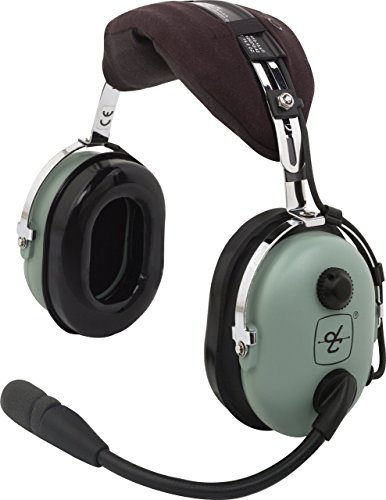
The David Clark H10-13S is a stereo aviation headset designed for work calls. It weighs 13.4 ounces and measures 8.9 inches wide. The green ear cups provide a stereo audio experience. This model is a stereo version of the H10-13. It suits users who need reliable communication and clear audio in professional settings.
- Stereo audio configuration for enhanced sound
- Lightweight 13.4-ounce build for comfort
- Dedicated for work calls
- Heavier than some Bluetooth aviation headsets
- Passive noise reduction only
- You need stereo audio for work calls
- You prefer a lightweight headset under 14 ounces
- You want a proven aviation design
- You require active noise reduction
- You need Bluetooth connectivity
- You want a headset under 12 ounces
Verdict: David Clark H10-13S Stereo Headset fits users who prioritize stereo audio and a lightweight build for work calls. It is a solid choice for those who do not need active noise cancellation.

Lightspeed Sierra ANR Aviation Headset
Best for: Pilots needing wireless ANR comfort
- Noise Reduction Type
- ANR
- Headset Weight
- 1 pounds
- Connection
- Wireless
- Features
- Bluetooth, Active Noise Cancelling
- Use
- Work Calls
- Dimensions
- 15 × 13 × 9 inches
The Lightspeed Sierra is a wireless aviation headset featuring active noise reduction and Bluetooth connectivity. It weighs one pound and includes a reversible headband and microphone design for comfort. The integrated control box supports auxiliary inputs and automatic volume lowering during radio transmissions. This model is built in America and suits pilots who need reliable communication and wireless convenience.
- Active Noise Reduction (ANR) technology
- Full Bluetooth wireless connectivity
- Reversible headband and microphone design
- Integrated control box with auxiliary input
- Automatic volume lowering during radio use
- Heavier build at one pound compared to lighter competitors
- Wider footprint with a 15-inch length dimension
- Requires pairing with an exclusive app for full feature capture
- You need active noise reduction in a wireless format
- You value a reversible microphone and headband design
- You want a headset built in America
- You prefer a lighter headset under one pound
- You do not want to use a companion app
- You need a strictly wired connection only
Verdict: Lightspeed Sierra ANR Bluetooth Aviation Headset offers robust wireless features and comfort for pilots who prioritize active noise reduction and domestic manufacturing. It fits those who do not mind a slightly heavier build for enhanced connectivity.

Faro G2 ANR Aviation Headset
Best for: pilots needing wired ANR with MP3 input
- Noise Reduction Type
- ANR
- Noise Reduction Rating
- Up to 52 dB
- Headset Weight
- 1.25 pounds
- Ear Seal Material
- Pleather
- Microphone Type
- Electret noise-cancelling
- Features
- MP3 Player
The Faro G2 is a wired aviation headset featuring active noise reduction and premium pleather ear protection. It delivers up to 52dB of noise reduction. The unit includes an MP3 input for media playback. Weighing 1.25 pounds, it offers a 4-inch width and 9.5-inch height. This model suits pilots who need clear communication via its electret microphone and value a three-year replacement warranty.
- Up to 52dB noise reduction with ANR technology
- Includes MP3/Radio/iPod/iPad compatible input
- Premium pleather ear protection
- Three-year replacement warranty
- Wired connectivity
- Heavier at 1.25 pounds compared to lighter competitors
- Wired connection limits wireless freedom
- Larger dimensions at 9.5 inches high and 8 inches long
- You prefer a wired connection for reliability
- You want MP3 input capability
- You need a three-year warranty
- You require Bluetooth wireless connectivity
- You prioritize the lightest possible weight
- You need active noise cancellation with lower bulk
Verdict: Faro Aviation G2 ANR Premium Pilot Headset fits pilots who value wired reliability and MP3 inputs over wireless convenience. Its 52dB noise reduction and three-year warranty make it a solid choice for professional use.
Specifications side by side
| Spec | Bose A30 Dual Plug Bluetooth Aviation Headset | KORE KA-1 Aviation Headset | UFQ A28 ANR Aviation Headset | David Clark H10-13.4 Aviation Headset | David Clark H10-30 Green Aviation Headset | David Clark H10-13S Stereo Aviation Headset | Lightspeed Sierra ANR Aviation Headset | Faro G2 ANR Aviation Headset |
|---|---|---|---|---|---|---|---|---|
| Noise Reduction Type | Active Noise Reduction (ANR) | Passive Noise Reduction | ANR and PNR | – | – | – | ANR | ANR |
| Plug Type | Dual Plug | GA dual plugs (PJ-055 and PJ-068) | Twin GA plugs | – | 2-Plug GA | – | – | – |
| Noise Reduction Rating | – | 24 dB | 52 dB NRR | – | – | – | – | Up to 52 dB |
| Headset Weight | 14.2 ounces | 2.12 pounds | 0.42 ounces | 15.9 ounces | – | 13.4 ounces | 1 pounds | 1.25 pounds |
| Ear Seal Material | – | Silicone gel | Leather, memory foam | Comfort gel | – | – | – | Pleather |
| Microphone Type | – | Electret, 360-degree flex boom | Electret flex boom | M-7A, universal flex boom | – | – | – | Electret noise-cancelling |
| Audio Mode | – | Mono/Stereo switchable | Mono/Stereo switchable | – | – | Stereo | – | – |
| Connection | Wireless | – | – | – | – | – | Wireless | – |
| Features | Bluetooth, Active Noise Cancelling, Microphone, Noise-Cancelling Mic, Noise-Canceling Mic, Dual Plug | Active Noise Cancelling, Microphone, Noise-Cancelling Mic, Noise-Canceling Mic, Dual Plug | – | – | – | – | Bluetooth, Active Noise Cancelling | MP3 Player |
| Use | Work Calls | Work Calls | Work Calls, Audiophiles | Work Calls | Work Calls | Work Calls | Work Calls | Work Calls |
| Color | Black | Black | Black | Green | Green | Green | Black, Silver | Black |
| Noise Control | – | Noise Isolation | Noise Isolation | – | – | – | – | Noise Isolation |
| Ear Style | – | Stereo | – | – | – | Stereo | – | – |
| Noise Reduction | ANR | – | ANR | – | – | – | ANR | ANR |
| Dimensions | 3.15 × 6.69 × 8.27 inches | – | – | 9.5 × 5 × 9 inches | – | 9.49 × 8.9 × 4.8 inches | 15 × 13 × 9 inches | 8 × 4 × 9.5 inches |
| Weight | 14.2 ounces | 2.12 pounds | 0.42 ounces | 15.9 ounces | – | 13.4 ounces | 1 pounds | 1.25 pounds |
| Size | Dual Plug | – | – | One Size | – | 17 ounces | – | – |
| Model | 857641-3120 | KA-1 | UFQ A28 ANR aviation headset | H10-13.4 | H10-30 | H10 13S | Sierra | G2-ANR |
Frequently asked questions
What is the difference between passive and active noise reduction?
Passive noise reduction relies on physical ear seal density to block engine roar. It requires no batteries and offers immediate reliability. Active noise reduction uses electronics to cancel sound waves. This method often provides stronger attenuation but requires power. You must choose based on your need for battery maintenance versus simple mechanical isolation.
Do I need Bluetooth in an aviation headset?
Bluetooth allows wireless connectivity for modern cockpit integration and phone calls. The Bose A30 and Lightspeed Sierra feature this capability. You gain flexibility without wires, which suits advanced avionics. However, wireless models often weigh more and require battery care. Wired headsets like the KORE KA-1 offer simpler, reliable connections without electronics.
How does headset weight affect comfort during long flights?
Weight directly impacts fatigue over hours in the cockpit. The David Clark H10-13.4 weighs 15.9 ounces, while the Bose A30 is 14.2 ounces. Heavier units like the Lightspeed Sierra at one pound may cause neck strain. Lighter options help maintain comfort. You should compare ounces or pounds to find a balance for your specific aircraft and flight duration.
What plug types are compatible with aviation headsets?
Dual plugs are standard for modern cockpits, offering broader compatibility. The Bose A30 uses a dual plug design. Legacy single-pin setups exist but are less common. You must verify your aircraft interface before buying. Some models, like the KORE KA-1, provide flexible audio inputs. Ensuring the correct plug type prevents connection issues in the cockpit.
Is stereo audio important for aviation communication?
Stereo audio enhances the listening experience but is not essential for basic comms. The David Clark H10-13S offers stereo sound for work calls. It provides a lightweight build for users who do not need active noise cancellation. Basic mono headsets remain reliable for standard radio traffic. Choose stereo if you value audio quality over simplified functionality.
Which headsets include MP3 player capabilities?
The Faro G2 ANR includes an MP3 player input. This feature allows you to listen to media while flying. It suits pilots who want wired reliability with entertainment options. Most other models focus solely on communication and noise reduction. If you need multimedia playback, verify the specific model includes this hardware rather than assuming all headsets offer it.
How does color choice impact headset visibility?
Color does not affect performance but aids identification in the cockpit. The David Clark models are available in green. The Bose A30 and KORE KA-1 are black. You can choose based on personal preference or cockpit aesthetics. Color has no bearing on noise reduction, weight, or connectivity. Select the shade that best fits your equipment layout.